
Table of Contents
ToggleEconomic trends shape the world in ways that can make your head spin faster than a roller coaster. From the rise of remote work to the surge in sustainable products, these trends aren’t just buzzwords; they’re the pulse of our financial landscape. Understanding them can turn anyone from a casual observer into a savvy investor or a business guru.
Overview of Economic Trends
Current economic trends significantly shape the global financial landscape. Remote work emerges as a dominant trend, altering the way companies operate and employees work. Increasing demand for sustainable products reflects consumers’ heightened awareness of environmental issues. Companies adapting to this change often gain competitive advantages in the market.
Digital transformation continues to accelerate across various sectors. The rise of e-commerce, driven by changing consumer habits, emphasizes the need for businesses to establish strong online presences. Shifts in supply chain dynamics, influenced by global disruptions, have led firms to reassess their operational strategies.
Technological advancements play a crucial role in optimizing productivity. Automation and artificial intelligence increasingly enhance business efficiencies, rendering traditional roles obsolete. Meanwhile, data analytics offers insights that help organizations make informed decisions and tailor their services to meet consumer needs.
Inflation trends also warrant attention. Fluctuating prices impact purchasing power, forcing consumers to modify their spending habits. Central banks carefully monitor inflation rates to devise appropriate monetary policies that stabilize economies.
Lastly, demographic shifts influence economic trajectories. An aging workforce presents both challenges and opportunities for sectors such as healthcare and retirement planning. Emerging markets, home to younger populations, hold potential for growth, particularly in technology and consumer goods.
Understanding these economic trends equips individuals and businesses to navigate market changes effectively. Following these developments allows stakeholders to adapt strategies, innovate, and capitalize on emerging opportunities.
Key Economic Trends Examples
Recognizing key economic trends helps navigate today’s complex financial landscape. Each trend influences various market sectors.
Global Economic Growth
Global economic growth reflects strength and challenges across nations. In recent reports, the International Monetary Fund (IMF) projected a growth rate of 6% for emerging markets in 2023. Economic recovery post-pandemic plays a crucial role in shaping consumption patterns and investment strategies. Countries investing in infrastructure show improved growth prospects. Increased trade agreements between nations further stimulate economic activity.
Inflation Rates
Inflation rates remain a central focus for policymakers and consumers alike. The Consumer Price Index (CPI) has seen notable fluctuations, with inflation averaging 3% globally in early 2023. Rising energy costs and supply chain disruptions significantly impact consumer purchasing power. Central banks adjust interest rates to manage inflationary pressures. Understanding inflation trends empowers businesses to make informed pricing decisions and compensate for cost increases.
Unemployment Trends
Unemployment trends provide insights into labor market dynamics. As of mid-2023, the global unemployment rate stands at 5.7%. Variations occur by region, with some countries experiencing higher challenges than others. Job creation in tech and green industries fuels positive employment shifts. Additionally, the rise of remote work creates flexible job opportunities, contributing to a changing workforce landscape.
Technological Advancements
Technological advancements drive significant economic transformations. Innovations in artificial intelligence and machine learning enhance productivity across sectors. For instance, e-commerce platforms generated a 20% increase in sales from 2022 to 2023 as consumer habits shifted online. Cloud computing and data analytics empower businesses to adapt swiftly to market changes. Embracing technology fosters competitiveness, ensuring companies can meet evolving consumer demands efficiently.
Regional Economic Trends
Regional economic trends highlight the varying impacts of global shifts on different markets. These trends reveal unique opportunities and challenges.
North America
North America experiences robust economic growth, largely fueled by technological innovation. In 2023, e-commerce sales are projected to exceed $1 trillion. Consumer behavior is shifting towards online shopping, increasing demand for logistics and infrastructure investments. Labor markets face changes due to automation, yet job creation in tech and green sectors blooms. Inflation rates average around 3%, influenced by energy costs. Central banks remain vigilant in balancing growth and potential inflationary pressures.
Europe
Europe showcases diverse economic trends amid varying recovery rates. Some countries focus on sustainability, pushing for green investments and energy transition. The European Union anticipates a GDP growth rate of 4% across member states in 2023. Purchasing power shifts as inflation touches 5% in certain regions, leading to rising consumer prices. Labor markets undergo transformations with a significant increase in remote work options, offering new flexibility for employees. Trade agreements remain vital for economic stability across the continent.
Asia
Asia leads global economic growth, particularly through its emerging markets. In 2023, growth in countries like India and Vietnam is expected to reach 6%. Consumer spending surges, driven by a youthful population eager for new technologies. Inflationary pressures affect various nations; overall rates hover around 4%. Urbanization fuels infrastructure development, prompting significant investments in transportation and housing. The technological landscape also transforms, with countries adopting artificial intelligence rapidly, enhancing productivity and competitiveness.
Impacts of Economic Trends
Economic trends shape societies and environments significantly, influencing how individuals interact and how resources are utilized.
Social Implications
Social dynamics shift alongside economic changes. Adaptations to remote work create flexibility but also challenge traditional workplace relationships. Increasing demand for sustainable products drives businesses to embrace socially responsible practices. Youthful populations in emerging markets contribute to economic vibrancy and cultural shifts, influencing global consumption patterns. Additionally, rising inflation impacts household budgets, affecting lifestyle choices and consumer sentiment. Understanding these trends allows individuals and businesses to respond effectively to evolving social landscapes.
Environmental Considerations
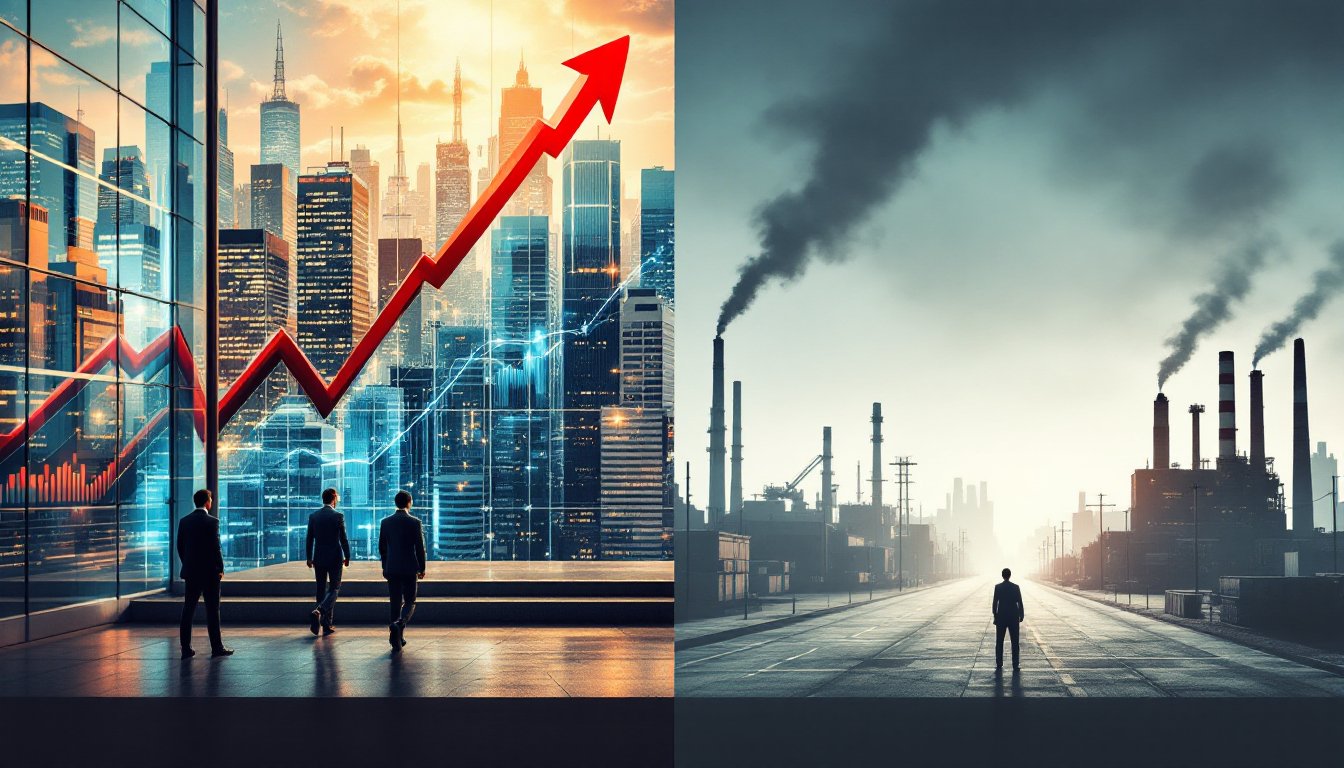
Economic trends underscore the need for environmental awareness. Companies pivot toward sustainable practices due to increasing consumer expectations. Investments in green technologies foster eco-friendly innovations, reducing carbon footprints. Infrastructure development emphasizes sustainability, adjusting urban planning to prioritize environmental resilience. Growing focus on renewable energy sources reflects changes in energy consumption patterns. Overall, integrating environmental considerations into economic strategies enhances long-term sustainability and promotes societal well-being.
Recognizing and adapting to economic trends is crucial for anyone looking to thrive in today’s dynamic environment. The shifts toward remote work and sustainability are not just passing fads; they’re reshaping industries and consumer behaviors.
Investors and business leaders who stay informed can seize opportunities that arise from these changes. By leveraging technology and understanding demographic shifts, they can position themselves for success.
As economic landscapes continue to evolve, staying ahead of trends will empower individuals and organizations to navigate challenges and embrace growth in an increasingly complex world.


